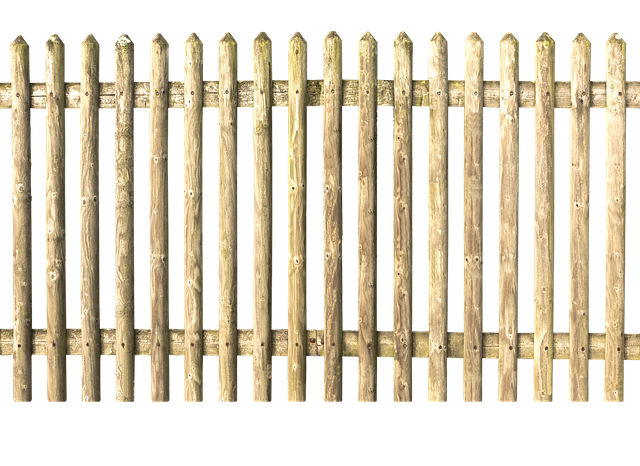
Maintaining your New Bedford home’s privacy fence is essential for both its aesthetic appeal and longevity. This guide offers a comprehensive overview of privacy fence maintenance, from understanding your fence’s specific needs to seasonal care tips. By following these practical protocols, including regular cleaning and inspections, addressing essential repairs promptly, and adopting targeted seasonal maintenance strategies, homeowners can ensure their fences remain robust, secure, and visually striking for years to come.
- Understanding Your Privacy Fence's Needs
- Regular Cleaning and Inspection Protocols
- Essential Repairs for Longevity
- Seasonal Maintenance Tips for Optimal Performance
Understanding Your Privacy Fence's Needs
Every privacy fence has unique needs, so understanding your specific fence’s requirements is crucial for effective maintenance. New Bedford’s climate plays a significant role; extreme weather conditions can impact different materials differently. For example, wooden fences may need regular sealing to protect against rot and pest damage during wet summers. Conversely, vinyl fences might be more susceptible to cracking in freezing temperatures.
Regular cleaning is another essential aspect of maintenance. Remove any debris, leaves, or vegetation that could obstruct the fence’s surface, as this can affect its overall appearance and structural integrity over time. Inspecting your privacy fence periodically for signs of damage, rot, or wear and tear will also help you address potential issues early on, ensuring a longer-lasting, effective barrier between your property and the outside world.
Regular Cleaning and Inspection Protocols
Regular cleaning and inspection are essential components of privacy fence maintenance. Homeowners should establish a routine to keep their fences free from debris, such as leaves, twigs, and grass clippings, which can accumulate over time and compromise the fence’s integrity. Using a pressure washer or broom, gently sweep away any buildup, ensuring the fence remains clear and visible.
During inspections, pay close attention to signs of wear and tear, including rusted or loose components, cracks in the wood, or warped panels. Addressing these issues promptly will prevent minor problems from escalating into major repairs. Regular maintenance also involves lubricating moving parts, repainting or sealing wooden surfaces, and tightening any secureable connections to ensure the fence remains sturdy and secure.
Essential Repairs for Longevity
To ensure your privacy fence remains a functional and aesthetically pleasing addition to your New Bedford home for years to come, regular maintenance is key. One of the most important aspects is keeping an eye out for essential repairs. Look for any loose or damaged boards, which should be replaced promptly. Check the posts and rails for signs of rot or weakness; these structural components are vital for the fence’s stability. Repairing them early prevents more significant issues down the line.
Additionally, pay attention to the fence’s base and footing. Over time, ground movement or extreme weather can cause shifts, leading to uneven posts or loose connections. Re-securing the fence at its foundation not only enhances its structural integrity but also prolongs its life. Regular maintenance, including these essential repairs, will keep your privacy fence in top condition, providing uninterrupted enjoyment of your outdoor space.
Seasonal Maintenance Tips for Optimal Performance
Regular seasonal maintenance is key to ensuring your privacy fence remains functional and aesthetically pleasing throughout the year in New Bedford. In the spring, inspect the fence for any signs of damage or wear from winter conditions. Repair or replace any broken panels, posts, or rails. Clean the fence thoroughly, removing any debris, dirt, or mildew buildup, which can weaken materials and affect their appearance.
During the summer months, continue to monitor for any loose connections and tighten as needed. Prune any overgrowth of trees or shrubs that could damage the fence structure. In autumn, prepare for the upcoming winter by sealing wooden components with a high-quality water-repellent treatment. This step is crucial to prevent moisture absorption, which can lead to rot and deterioration. Lastly, in winter, remove any snow or ice buildup on the fence to avoid potential breakage under heavy accumulation.